
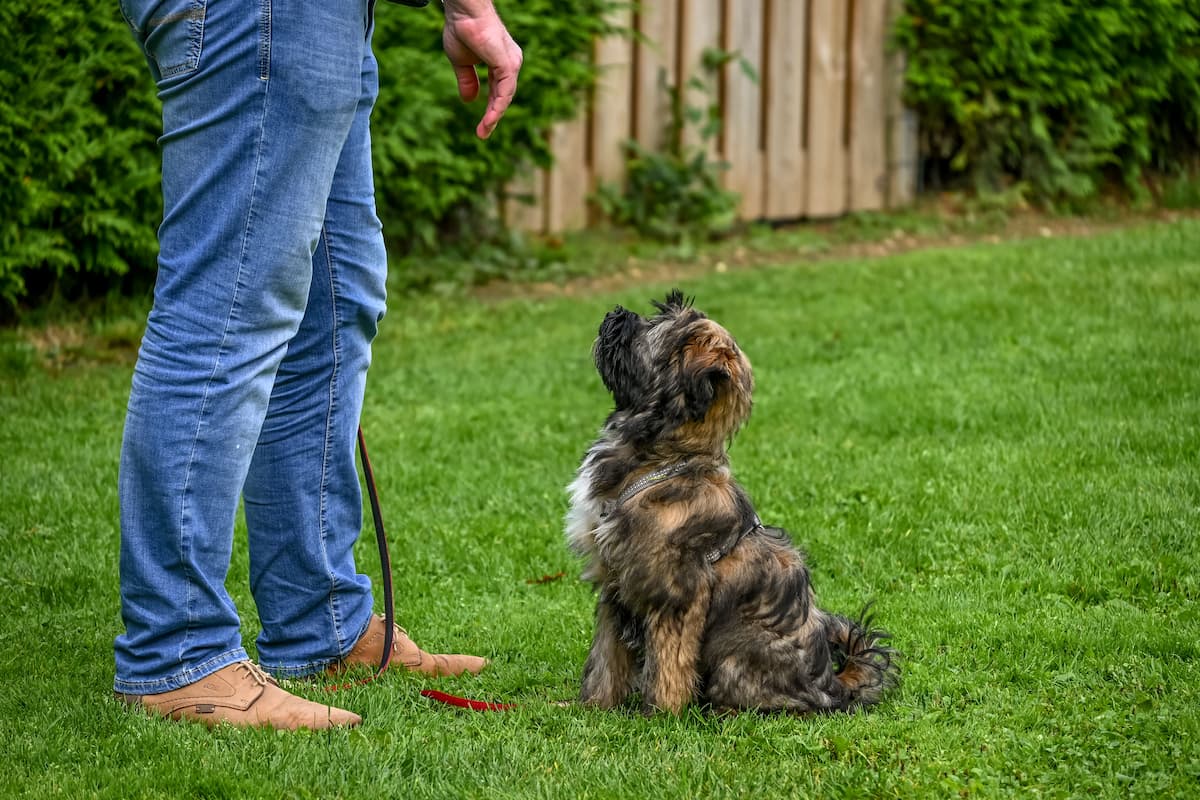
Spring and early Summer marks the perfect window to begin training your dog. With longer days, warmer weather, and increasing outdoor distractions, the coming weeks offer ideal conditions to build reliable habits before summer activities kick into full gear.
Why Train Your Dog Now
The timing couldn’t be better for starting or intensifying your dog training program. Late April through May gives you roughly 8-12 weeks before peak summer events arrive—enough time to build foundational skills that matter when it counts.
- Longer daylight hours mean more opportunities for outdoor practice sessions
- Warmer weather naturally increases park visits, yard time, and social gatherings
- A pup starting training in May 2026 can develop reliable recall and stay commands before July 4th festivities
- Both puppies and adult rescue dogs benefit from structured work before busy vacation season
Consider this: puppies between 7 and 14 weeks old have a natural tendency to stick close to handlers, making this period ideal for imprinting recall. An adult dog adopted in late April has the full spring-to-summer window to rebuild behavior patterns before holiday stress peaks.
Benefits of Training Your Dog
Training your dog delivers immediate safety benefits while strengthening the bond between both you and your pet. Think of each session as a brain workout that pays dividends across every aspect of life together.
- Safety first: Reliable recall prevents bolting through open doors, chasing wildlife at parks, or running into traffic during summer walks
- Social confidence: Dogs learn to greet guests politely instead of jumping, stay calm around kids at family barbecues, and interact appropriately with other dogs Mental exercise: Short training sessions reduce boredom-related problems like destructive chewing, excessive barking, and restless behavior
- Lifestyle expansion: A trained dog becomes welcome at outdoor cafés, patios, and road trips because they can settle on command
- Long-term cooperation: Easier vet visits, grooming appointments, and boarding experiences thanks to basic skills like wait and stand
- Deeper communication: Training builds an unspoken language through words, hand signals, and body cues
How Dogs Learn: The Science Behind Successful Training
Modern dog training in 2026 relies on positive reinforcement—behaviors followed by something the dog enjoys become more frequent. This approach replaces outdated punishment-based methods that risk creating fear or aggression.
Here’s how reward-based learning works:
- The dog performs a behavior (sitting when you raise a treat above their nose)
- You immediately mark the correct moment with a word like “Yes!” or a clicker
- You deliver the reward within 1-2 seconds, creating a clear association
- Repeat across multiple locations until the behavior becomes habit
Timing is everything. If you reward too late, your dog won’t connect the treat to the action. Using a marker bridges the gap—it pinpoints exactly when they got it right, making learning faster and clearer. This positive reinforcement approach works because dogs naturally repeat behaviors that produce good outcomes.
Getting Started: Puppy Training Foundations
Puppies adopted in spring 2026—especially those 10-14 weeks old in May—sit at the perfect age for building lifelong habits. The 8-16 week window represents prime time for socialization and basic cues.
Name recognition and attention: Teach your puppy to respond to their name even at a busy June park by pairing it with treats until they automatically look at you.
Potty training fundamentals: Follow a consistent schedule—outside immediately after meals, naps, and play. Reward outdoor toileting generously. Expect 4-6 months of consistent management for reliable house training.
Crate training: Introduce the crate as a safe den for rest, travel, and hotel stays during summer vacations. A properly introduced crate prevents unsupervised access to dangerous items during the teething phase.
Early leash manners: Practice loose-leash walking in quiet areas first. By 3-4 months, gradually increase complexity before tackling busier summer festivals.
Socialization priorities for April-July:
- Safe exposure to lawn mowers, ice cream trucks, and neighborhood sounds
- Meeting friendly people of various ages
- Positive experiences on different surfaces
- Controlled introductions to vaccinated, friendly dogs
Training Adult and Rescue Dogs
Training isn’t just for puppies—adult and senior dogs rehomed in 2026 can develop new habits quickly with patience and consistency.
Start with a decompression period. Give newly adopted dogs 3-7 days of calm routine before formal training begins. Dogs in acute stress cannot learn effectively, so rushing
creates frustration for everyone.
Re-teaching basics: Even dogs who knew commands previously need fresh training with consistent new rules. If a dog experiences inconsistent expectations across homes, their behavior pathways are confused.
Common challenges to address:
- Pulling on leash during spring walks
- Jumping on guests at summer gatherings
- Counter-surfing during barbecues
- Barking at passersby in the yard
Building confidence in nervous rescues: Gradual exposure to outdoor summer noises like fireworks, children playing, and traffic prevents lasting reactivity. Start at comfortable distances and slowly decrease over weeks.
Set realistic timelines. An adult dog with years of pulling may require 4-8 weeks of consistent work before showing reliable leash improvement.
Positive Reinforcement Techniques and Finding the Right Reward
Using rewards effectively is key to reliable good behavior. Different situations call for different motivators.
- High-distraction outdoor training: Pea-sized pieces of cooked chicken or cheese
- Easy indoor practice: Regular kibble works fine
- High-energy dogs: Favorite tug toys or fetch as rewards
- Hot weather sessions: Play breaks or water access may motivate more than food
Create a reward scale. Save top-value treats for difficult tasks like recall away from a squirrel or staying calm at a busy park. Use standard rewards for simple indoor repetitions.
Experiment to find your dog’s top motivators. Some prefer food, others go wild for tennis balls. As behaviors strengthen, gradually reduce reward frequency while still rewarding excellent responses occasionally—this actually creates stronger, more persistent behavior.
Consistency, Routine, and Short Training Sessions
Dogs thrive on predictable routines, which matter especially when household schedules shift with summer holidays and school breaks.
Embrace “little and often” training: 3-5 minute sessions, 3-5 times daily. Research suggests doing commands in sets of 10 followed by breaks prevents burnout.
Daily action plan:
- Quick session before work or school
- Practice during mealtime preparation (ask for sit before setting down the bowl)
- Brief training during evening walks
- Fun trick session after dinner
Ensure all family members use identical cues and rules. If one person rewards jumping while another discourages it, the dog receives conflicting guidance. End every session on success, so training stays fun and your pup looks forward to the next one.
Make Training Fun: Games, Tricks, and Summer Activities
Training doesn’t have to feel like lessons—games build skills while keeping dogs engaged and eager to participate.
Indoor games:
- “Find it” with treats hidden around the living room
- Recall between family members down the hallway
- Hand target (nose-to-palm touch)
Easy tricks for beginners: Teach shake, spin, or roll over. These aren’t just party tricks—shake makes nail trimming easier, and body awareness exercises support overall coordination.
Summer-specific practice:
- Long-line recall at the park during May evenings
- “Go to mat” training for outdoor picnics
- Calm behavior near water before beach trips
Mix play with learning by using quick tug or fetch as rewards between obedience repetitions.
Addressing Common Behavior Challenges
Even well-loved dogs struggle with certain behaviors, especially as spring and summer increase outdoor activity and distractions.
Puppy mouthing: Redirect to appropriate chew toys, use brief time-outs, and avoid rough play that encourages nipping. This is normal developmental behavior, not aggression.
Jumping on guests: Teach sit to greet as an incompatible behavior—a dog sitting cannot simultaneously jump. Manage entryways during busy events while training progresses.
Leash reactivity: Keep distance from triggers, reward calm behavior with high-value treats, and gradually decrease distance over weeks. Don’t rush this process.
Barking at windows or skateboards: Block visual access temporarily while training rewarding quiet behavior. Warmer months mean more passing triggers.
When to seek professional help: Growling or biting, intense fear of people or dogs, separation anxiety, resource guarding, or no progress after several weeks of consistent effort.
When to Get Professional Help and How to Choose a Trainer
Even committed owners sometimes need guidance from a qualified dog trainer or behaviorist. Starting before peak events like June weddings or July holidays prevents incidents.
Signs you need support:
- Aggression (growling, snapping, biting)
- Severe fear responses
- Separation anxiety symptoms
- More complex behaviors that aren’t improving despite consistent work
Criteria for choosing a trainer:
- Uses positive reinforcement techniques exclusively
- Avoids prong collars and other harsh punishment tools
- Holds certifications (CPDT-KA, IAABC, or similar recognized by the American Kennel Club community)
- Allows owners to observe or attend group classes and private training sessions
Look for options matching your dog’s age and temperament—puppy socials, advanced classes, or private training for specific issues. Virtual sessions remain useful in 2026 for busy families or dogs nervous in new environments.
Planning Ahead: Keeping Training Strong All Summer and Beyond
Starting in late April or May 2026 gives you solid preparation time before peak summer travel and events arrive. Use this window wisely.
Set specific, dated goals:
- By mid-June: Loose-leash walking through the neighborhood
- By early July: Reliable recall at the park on a long line
- By late July: Calm settle behavior during outdoor dining
Maintain a simple training log to track progress and keep motivation high. Note what works, what needs more exercise, and celebrate small wins.
Remember that training continues through every season. The new tricks and fundamentals you build before summer carry through autumn adventures and winter holidays. With consistent practice, you’ll develop a calm, responsive dog who confidently joins family life year-round—from backyard barbecues to holiday gatherings and everything between.
Start today with one cue, one short session, one step toward the well-trained companion waiting to emerge.